


Event Security Services UK: What Clients Should Expect from a Modern Provider
When organisations search for event security services uk, they are usually trying to solve two problems at once: protecting people and assets while keeping operations smooth, calm and professional. A modern event security model usually combines planning, access control, public reassurance, escalation routes, incident response and post-event review. It improves confidence for staff, clients, attendees and contractors because everyone can see who is responsible, where to go and how issues will be handled. That is where a joined-up security and visitor experience becomes valuable.
What clients should look for
In practical terms, event security services uk should be shaped around the people using the space, the pace of the operation and the consequences of failure. Entry points, circulation routes, staffing levels, vulnerable areas, contractor activity, high-value assets and expected behaviour all influence what the right plan looks like. Strong delivery does not rely on guesswork; it relies on a clear operating picture and a team that understands how to act within it.
Clients tend to get better results when they define the purpose of the service early. Is the priority deterrence, public reassurance, traffic flow, guest handling, loss prevention, incident escalation, asset protection or a blend of several outcomes? Once those priorities are clear, deployment becomes far easier to design and measure.
How good delivery works on the ground
- Deploy people where visibility, reassurance and intervention will make the biggest difference.
- Use access control and public communication to reduce friction before it turns into an incident.
- Maintain strong supervision so standards remain consistent throughout the operation.
- Record issues clearly and review patterns so the service improves over time.
- Match the tone of the security presence to the audience, venue and brand environment.
How McKenzie Arnold Group adds value
McKenzie Arnold Group is well placed to support this kind of requirement because the business already delivers integrated visitor management, security and stewarding services across a wide range of environments. The website’s service structure shows dedicated capability across security services, visitor management, event security, crowd management, hospitality, event management, close protection and sector-specific solutions, giving clients a practical route from planning through to delivery.
For organisations exploring event security services uk, it is often useful to connect the topic to adjacent services rather than treating it in isolation. For example, a safer operation may also depend on visitor management, crowd movement, front-of-house hosting, licensed staff or joined-up event management. That is why related internal links and service pathways matter in both user journeys and SEO.
Useful next steps include reviewing the relevant service page and, where appropriate, exploring a related McKenzie Arnold Group solution.
Frequently asked questions
When should security planning begin?
Ideally at the earliest practical stage, once scope, venue and audience profile start to become clear. Early involvement helps shape staffing, access control, public flow and contingency planning before bad habits become fixed.
Why does customer service matter in security?
Because many security roles are public-facing. Calm communication, confidence and professionalism help prevent friction, improve compliance and protect the guest experience.
Arrange a conversation about your upcoming event security requirements. The strongest outcomes usually come from clear objectives, early planning and a team that can adapt professionally once the operation goes live.

How Bespoke Construction Security Protects Sites from Costly Losses
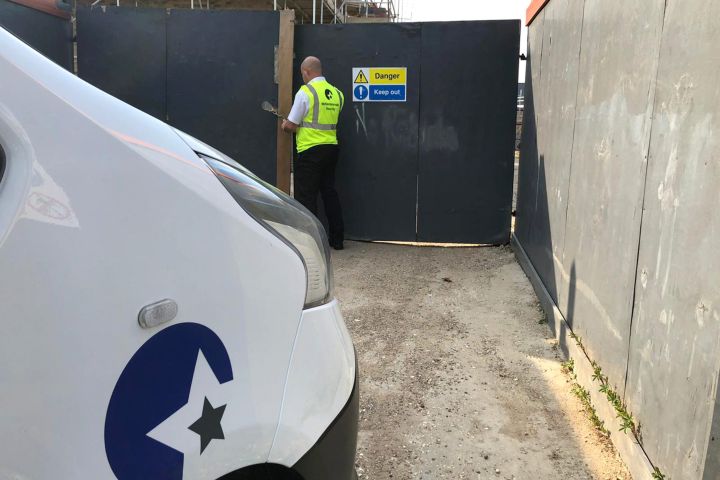
Construction sites are among the most vulnerable environments when it comes to theft and vandalism. Expensive materials, heavy machinery and tools often remain on site overnight, making these locations attractive targets for criminals.
Without effective Bespoke Construction Security, theft can lead to project delays, financial losses and increased insurance costs. For this reason, many developers and contractors rely on specialist security providers like McKenzie Arnold Group to safeguard their sites.
Construction security typically includes a combination of physical patrols, access control and surveillance. Security officers monitor entry points to ensure only authorised personnel can access the site, preventing opportunistic intruders from gaining entry.
Night patrols are particularly important, as most incidents occur outside of working hours. Trained guards conduct regular inspections across the site to identify suspicious activity, unsecured equipment or safety hazards.
The presence of security personnel also helps protect workers and contractors during operational hours. Officers can monitor vehicle movements, manage deliveries and ensure safety protocols are followed.
Beyond theft prevention, construction security supports overall project management. By maintaining controlled access and monitoring activity, security teams help create a safer and more organised working environment.
A professional security partner brings experience and structure to site protection. At McKenzie Arnold Group, security officers understand the specific challenges of construction environments and work closely with project managers to implement tailored solutions.
Investing in construction site security ultimately protects more than just equipment. It safeguards project timelines, reduces liability risks and provides peace of mind to developers and contractors alike.
In an industry where delays can be extremely costly, proactive security is a practical and essential investment.
The Importance of Security in the Hospitality Industry
Hotels, restaurants and entertainment venues are designed to create welcoming environments where guests can relax and enjoy themselves. However, the open nature of the hospitality sector also creates security challenges that must be carefully managed.
The hospitality industry faces a variety of risks including theft, disorderly behaviour, unauthorised access and potential safety incidents. Without proper security measures, these risks can impact guest experience, damage reputations and create operational disruption.
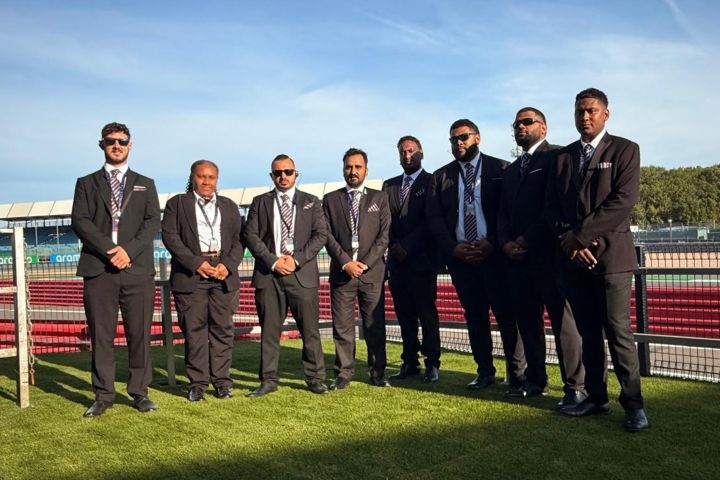
Trained personnel that provide security in the hospitality Industry are a visible deterrent while maintaining a professional and approachable presence. Their responsibilities often include monitoring entrances, verifying access permissions, assisting with crowd management and responding quickly to any incidents.
A strong security presence can significantly improve guest confidence. Visitors feel more comfortable knowing trained professionals providing security in the Hospitality Industry are on site to ensure their safety. At the same time, staff members can focus on delivering exceptional service rather than dealing with difficult situations.
Security teams also support hospitality management by enforcing venue policies and helping maintain order during busy periods. Events, weddings and large functions often bring additional logistical challenges, making professional security even more valuable.
Importantly, hospitality security requires a careful balance between authority and customer service. Officers must be calm, respectful and capable of resolving situations without escalating tensions.
By working with experienced providers such as McKenzie Arnold Group, hospitality businesses gain access to security professionals who understand the unique environment of guest-focused venues. Their training ensures they can maintain safety without compromising the welcoming atmosphere that defines the hospitality industry.
In today’s competitive market, protecting guests, staff and property is not just a necessity — it is an essential part of delivering a positive and memorable experience.
Why Professional Manned Guarding Remains Essential for Modern Businesses
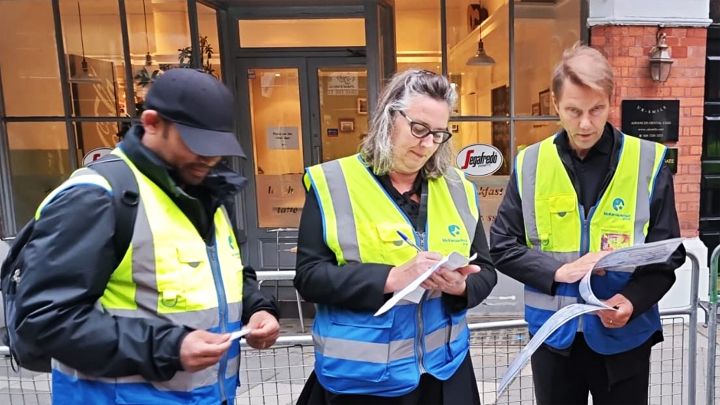
Manned guarding offers something technology cannot replicate: human judgement, rapid decision-making and visible reassurance. Trained officers can identify suspicious behaviour, assess risk in real time and intervene appropriately before incidents escalate. Their presence alone often prevents opportunistic crime such as theft, vandalism and unauthorised access.
Businesses across sectors benefit from professional security personnel. Corporate offices rely on guards to manage visitor access and maintain a safe workplace. Construction sites require overnight patrols to protect valuable materials and equipment. Retail environments benefit from officers who can monitor activity and support loss prevention strategies.
A key advantage of manned guarding is flexibility. Security teams can adapt quickly to changing circumstances, whether responding to an emergency, managing crowd movement or providing additional monitoring during busy periods. This adaptability ensures security remains effective even as operational demands shift.
At McKenzie Arnold Group, security officers are carefully selected, fully licensed and trained to deliver a professional service that aligns with each client’s requirements. Their role goes beyond simple surveillance. Officers act as ambassadors for the businesses they protect, providing assistance to staff, visitors and customers while maintaining a vigilant approach to safety.
The most effective security strategies combine technology with experienced personnel. CCTV systems may capture an incident, but a trained guard can prevent it from happening in the first place.
For organisations looking to protect their people, assets and reputation, investing in professional manned guarding services remain one of the most reliable and proactive security measures available.
